Chapter 14:
The Event of It
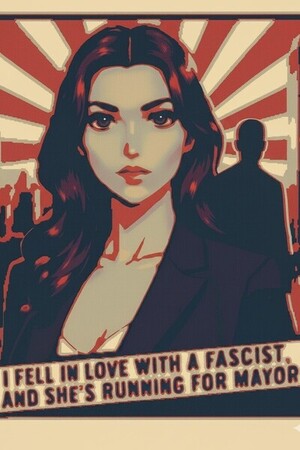
I Fell in Love With a Fascist, and She’s Running for Mayor
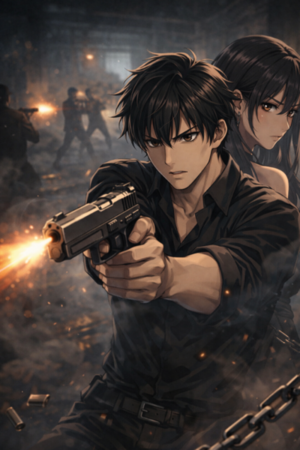
I can’t tell you I know what it feels like to be hit by a speeding bullet. I can tell you I got hit by one, and the sequence of events that led up to it. The police made me go over it over and over. But I don’t have a memory of the pain. The last thing I remember is lunging toward Blynken as he turned toward me, his arm still extended. I remember a flash at the end of the barrel of the gun and the sound of a gunshot.
The next thing I remember I was waking up in the emergency room with doctors and nurses hovering over me. It wasn’t long before I noticed the cops behind me. They told me I had gone through surgery. I was in the gun trauma unit at one of only two hospitals in the city with one. I was in Carter Ekin, the hospital closest to police headquarters, which had gotten its gun trauma unit more recently, through a federal health grant meant for treating gun violence like a health epidemic. Using it for a gun trauma unit was a misreading of the intent of the grants, which were for gun violence prevention. Badger got the city to argue a trauma unit would count because of victims of gun violence who also perpetrate it. They went through a show of community surveys and meetings to decide the best hospital for a second gun trauma unit, but none of that matter. The city knew it would put the unit at Carter Ekin.
I don’t remember what the doctors were saying over me. I tried to ask about the cops behind them but I couldn’t get words out. The doctors weren’t talking to me and it felt like they weren’t even talking about me, or noticed me there, watching. I made eye contact with a nurse and she notted.
-You were shot and you’ve gone through surgery. We’ve removed the bullet but you shouldn’t be up yet.
I remember a feeling like she was squeezing my hand, but it was actually the IV, and then I felt a rush to my head and passed out again.
When I came to again I’d been transferred to a room in intensive care. There was a doctor and a nurse there. The doctor looked familiar, one of the ones who’d been over me, but the nurse was different, a man this time.
He nodded and started to explain I had been shot in the lower torso but that the bullet missed any major vital organs and a modest amount of subcutaneous fat helped slow the bullet, a small one, down.
I learned later that Blynken had to use a baby revolver because that’s what was easiest for Wynken to hide in the council chambers the night before the meeting. It probably saved my life. The first shot had hit Kendra’s microphone, creating the loud noise that sent me running across the room to tackle Blynken, but the bullet deflected and lodged into one of the wooden panels on the side wall. I remember Kendra jumping back in her seat at the sound and the tumble of the microphone. I remember the running but it felt as if someone else’s legs were doing it, as if I were just sliding or gliding forward with them. I remember a cop coming up behind Blynken, and I remember Josiah running. I learned there were three but the other two were too far. I’d been shot by the time they got to Blynken, who had managed to fire one more shot into the leg of the officer trying to tackle him while Wynken tried to tackle the cop.
The nurse didn’t tell me any of that. I didn’t see the cops anymore so I didn’t ask about them. Instead I asked when I’d be able to leave the hospital.
-Like for a cigarette? the nurse asked, laughing.
-I mean, to go home, I said, starting to realize I was in more pain and had less energy than I’d initially felt like. It was as if it had taken my brain a little time to process everything that had happened to my body it wasn’t aware of since I’d been in the city council chamber, before it could tell me what pain and exhaustion to feel from it.
This time the doctor nodded and laughed.
-It actually shouldn’t take more than a couple of days. You got extremely lucky. A 22-millimeter short is as deadly as any other bullet, shot right, just like any other bullet.
-It wouldn’t be worth being a bullet if it wasn’t, the nurse muttered.
I never imagined I’d be shot, even though I’d heard about a lot of gun violence in the city, and in the country. Everybody knows about that.
It’s hard to tell time in a hospital but I alternated between, naps, sleeping and laying awake in bed and had two or three meals before the cops showed up to question me for the first time.
They asked me what happened, and I told them to the best of my recollection. They asked about Blynken.
-And this Blynken, you know him?
-He was a friend of mine, sure, I’m not going to deny it, I said, feeling something hostile in the question beyond the background hostility of all police encounters I’ve had, and I felt defensive.
-Was?
I didn’t realize I had said that, and that was probably the first time I had started to process what had happened beyond the event of it, of getting shot. My friend had tried to shoot Kendra Badger. We’d sometimes talked about any means necessary, and it was hard for me to reconcile that with the way I felt about what he had done. He tried to kill the woman I love. Later he’d insist he hadn’t.
-It’s messed up man, I responded to the cop, in more colorful language you can fill out for yourself.
-What did you know about his plan?
-Nothing, I answered quickly.
Despite having spent a lot of time educating people about their rights when being stopped, detained or questioned by cops, it didn’t occur to me at that moment that I was being interrogated.






Please sign in to leave a comment.