Chapter 6:
Chapter 7 | Crack
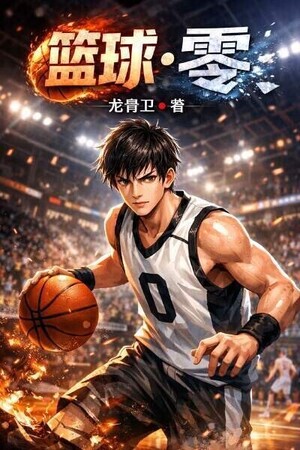
Basketball: Zero
Winning a position didn’t mean winning everything.
The next day’s practice felt off.
The gym was the same, the time still 4:30 p.m., but the distances between people had changed. Passes lagged by half a beat. Eye contact was fewer. On defense, there was a little extra force—unnecessary, tense.
Zero could feel it.
Especially from the senior point guard he had pushed out of the starting lineup.
He didn’t say a word, but every matchup was harder than yesterday. Shoulders bumped when boxing out, hands stayed tighter during defense, as if reminding him: this position isn’t yours.
Zero didn’t respond.
He simply made every pass cleaner, every decision quicker.
But cracks didn’t disappear just because he stayed silent.
During a half-court drill, Zero pushed forward. The senior reached from the side to swipe at the ball. The motion wasn’t big, but it carried emotion.
No foul was called.
The ball went out of bounds.
Zero went to retrieve it.
“Sorry,” the senior said.
Calm tone.
Zero looked at him, nodded, said nothing.
Next possession made things clearer.
Zero organized at the top of the arc. The inside player had already rolled, ready for the play—but the senior didn’t move to his tactical position. He simply stood on the weak side, hand outstretched.
“Give it to me.”
It wasn’t a play.
It was a signal.
Zero hesitated for half a beat.
Half a beat was all it took.
The defense rotated, passing lanes closed, and the offense stalled, forced to restart.
Coach Zhou blew the whistle.
“Stop.”
Everyone froze.
“What are you playing at?” The coach’s voice was quiet but cold.
No one answered.
“Trying to play out personal emotions? Out. This isn’t the place to prove who’s more aggrieved.”
He turned to the senior point guard.
“You didn’t lose your spot to me. You lost it to yourself.”
The words hit like a hammer.
The senior’s face finally changed.
Zero stayed where he was, but he didn’t feel relief.
He knew that words like that only pushed the tension to the surface.
Practice continued.
The cracks hadn’t erupted into conflict—but they were there.
That evening, Zero sat alone on the dorm steps.
Night had fallen. Streetlights lit up one by one. He placed the basketball at his feet, not dribbling, just staring at it.
His phone buzzed.
A group message from the team appeared. Training schedule. No words.
A few seconds later, a private message popped up.
From the senior point guard.
[You played well.]
Zero stared at the words for a long time.
He didn’t know what to reply.
Finally, he typed two characters.
[Thanks.]
No reply came for a long time.
The next day, practice was slightly calmer—but the tension hadn’t gone away.
Zero realized something:
Winning a game earns respect.
Winning a position makes people remember you.
After practice, Coach Zhou called Zero over.
“You’ve been uncomfortable lately,” he said.
Zero nodded.
“Normal,” Zhou continued. “What you need to learn now isn’t whether you can play well.”
He looked at Zero.
“It’s whether you can handle what this position brings.”
Zero said nothing.
For the first time, he understood: basketball wasn’t just about skills or scores.
It was also about people.


Please sign in to leave a comment.