Chapter 3:
Setting Sail from Ashes
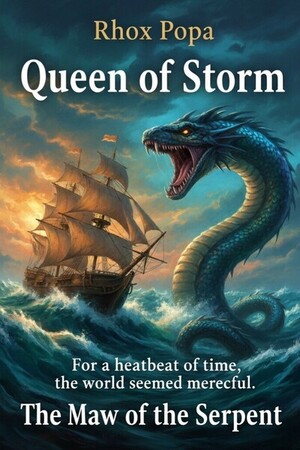
Queen of Storm
Chapter 4: Setting Sail from Ashes
The manor was not a memory. It was an open wound in the earth, slowly being stitched closed by rain and weed. The quiet that remained was not peaceful; it was the silence of a throat that has finished screaming.
Amara stood at the cliff’s edge, not as its mistress, but as a visitor to her own grave. The salt wind plucked at her clothes, seeking the silk and perfume of Lady Virell. It found only canvas, steel, and the lingering scent of a deliberate burn.
The vault was empty. Its contents—a soldier’s savings, a dead man’s dreams, a blade that promised violence—were now the sum of her currency. For the first time since the fire, the path was not obscured by smoke. It was terribly, starkly clear.
It was not lit by hope. Hope was for women with futures.She walked by the light of banked embers.
---
She found Edward in the hospital’s inner courtyard at dawn. It was a quiet, forgotten space, where pale morning light pooled in the hollows of worn flagstones and climbed the stems of neglected jasmine. He was waiting, as she knew he would be.
She faced him, the worn duffel a familiar weight, the sword at her hip an unfamiliar one. The good, solid coat he’d given her still carried the ghost of woodsmoke—not the chaotic stench of the city’s burning, but the specific, fragrant smoke of the pyre she had built with her own hands.
“Thank you,” she said. The words were simple, stripped bare. “For the sanctuary. For not letting me fade away.”
Edward leaned against the sun-warmed stone of the archway, his arms crossed. The lines around his eyes were deeper than they had been a month ago. He offered her a smile, but it was a tired thing, worn thin at the edges. “You didn’t need saving from the fire, Reyna. You needed waking from the shock. The rest… you did that yourself.”
She looked down, studying a crack in the stone where a stubborn weed had taken root. “I’m sorry,” she said, and it was not an apology for leaving, but for the totality of the emptiness she carried. “There’s no life here to return to. No ghost I can bear to live alongside.”
“I know.”Two words, heavy with understanding. He didn’t offer platitudes or empty comforts. He simply bore witness to her truth.
“I have to know,” she continued, her voice low but solid. “If a single thread of my family survived, caught on a branch downriver. I cannot… live in the ash.”
He nodded once, a sharp, final motion. “You always had more spine than this city deserved.” His voice roughened, just for a syllable, on the word ‘always.’ It was the only crack in his composure, a fleeting glimpse of a door that was now, irrevocably, closing.
A breeze moved through the courtyard, stirring the dusty leaves. It lifted a strand of her hair, dark against her pale cheek, a sensation so accidentally tender it felt like a cruelty.
“I will repay this debt,” she said, not meeting his eyes now, speaking to the space between them. “Someday.”
Then she turned. The sound of her boots on the stone was precise. The shift of the duffel, the faint whisper of the coat, the diminishing scent of ash and determination.
He did not call after her. He simply watched until the archway’s shadow swallowed her whole, leaving him alone with the morning light and the echo of what he had never said.
---
The Port of Damaya was a beast of a different nature. It was raucous, stinking, and vibrantly, offensively alive. The air was a thick stew of brine, fish guts, tar, exotic spices, and the tang of sweat. Gulls screamed like harpies over the masts. Merchants bellowed. Children, thin and quick as eels, darted through forests of adult legs, their laughter sharp and bright.
Reyna moved through the chaos like a stone through a swift current. The noise broke around her; the jostling crowd seemed to subconsciously part before her steady, unswerving path. Her face was a composed mask, but her eyes—those dark, assessing eyes—scanned everything: the sailors mending nets, the officials with their wax tablets, the shrouded figures in the shadows of the customs house.
At her hip, the sword was a quiet, grim companion. In her inner pocket, a small pouch held the cold weight of what remained of the Virell fortune. And deep within the duffel, wrapped in a scrap of velvet, was a little wooden bird, its wings smoothed to a sheen by the obsessive, loving touch of a toddler’s fingers.
She did not need to ask for directions. Her destination was already written in the set of her shoulders, in the way her gaze locked onto a specific ship at the end of the main pier.
The Marilag.A sleek, three-masted schooner. Her hull was painted a deep, defiant blue, her name picked out in gilt that flashed in the sun. She had a reputation for speed and for asking few questions. Her crew moved with the efficient, wary grace of men who knew the sea’s mercy was fickle.
The whisper had cost her two gold sovereigns in a smoke-filled tavern: a noble family, fleeing the chaos, had taken in a dark-haired girl found near the docks. They were bound for the Antilles. The Marilag was the fastest ship making that run.
It was a thread so fine it was nearly invisible. But it was the only one she had. She would follow it into the storm, if necessary.
---
And there was a storm.Far out over the deep, beyond the curve of the horizon, the sky was bruising. Clouds coiled into a vast, spiraling fist. The barometric pressure dropped a fraction; seasoned sailors on the dock glanced uneasily seaward, tasting the coming change on the wind. A hurricane was being born—a mindless, colossal engine of wind and water.
But Reyna, standing on the gangplank of the Marilag, felt only a cold recognition.
Her own tempest had already made landfall. It had burned her home and stolen her heart. The one gathering on the horizon was just weather.
She paid her passage in cash, meeting the captain’s appraising stare with one of her own. He said nothing, merely jerked his chin toward the deck.
As the lines were cast off and the great sails began to crack and fill, she walked to the stern rail. She did not look back at the receding city, at the scar of cliffs where her life had ended. She looked ahead, where the sky was darkening.
The wind picked up, whipping her hair across a face that was no longer beautiful, but striking in its stark purpose. In its resolve.
The world had one storm coming.But she was the other.
The manor was not a memory. It was an open wound in the earth, slowly being stitched closed by rain and weed. The quiet that remained was not peaceful; it was the silence of a throat that has finished screaming.
Amara stood at the cliff’s edge, not as its mistress, but as a visitor to her own grave. The salt wind plucked at her clothes, seeking the silk and perfume of Lady Virell. It found only canvas, steel, and the lingering scent of a deliberate burn.
The vault was empty. Its contents—a soldier’s savings, a dead man’s dreams, a blade that promised violence—were now the sum of her currency. For the first time since the fire, the path was not obscured by smoke. It was terribly, starkly clear.
It was not lit by hope. Hope was for women with futures.She walked by the light of banked embers.
---
She found Edward in the hospital’s inner courtyard at dawn. It was a quiet, forgotten space, where pale morning light pooled in the hollows of worn flagstones and climbed the stems of neglected jasmine. He was waiting, as she knew he would be.
She faced him, the worn duffel a familiar weight, the sword at her hip an unfamiliar one. The good, solid coat he’d given her still carried the ghost of woodsmoke—not the chaotic stench of the city’s burning, but the specific, fragrant smoke of the pyre she had built with her own hands.
“Thank you,” she said. The words were simple, stripped bare. “For the sanctuary. For not letting me fade away.”
Edward leaned against the sun-warmed stone of the archway, his arms crossed. The lines around his eyes were deeper than they had been a month ago. He offered her a smile, but it was a tired thing, worn thin at the edges. “You didn’t need saving from the fire, Reyna. You needed waking from the shock. The rest… you did that yourself.”
She looked down, studying a crack in the stone where a stubborn weed had taken root. “I’m sorry,” she said, and it was not an apology for leaving, but for the totality of the emptiness she carried. “There’s no life here to return to. No ghost I can bear to live alongside.”
“I know.”Two words, heavy with understanding. He didn’t offer platitudes or empty comforts. He simply bore witness to her truth.
“I have to know,” she continued, her voice low but solid. “If a single thread of my family survived, caught on a branch downriver. I cannot… live in the ash.”
He nodded once, a sharp, final motion. “You always had more spine than this city deserved.” His voice roughened, just for a syllable, on the word ‘always.’ It was the only crack in his composure, a fleeting glimpse of a door that was now, irrevocably, closing.
A breeze moved through the courtyard, stirring the dusty leaves. It lifted a strand of her hair, dark against her pale cheek, a sensation so accidentally tender it felt like a cruelty.
“I will repay this debt,” she said, not meeting his eyes now, speaking to the space between them. “Someday.”
Then she turned. The sound of her boots on the stone was precise. The shift of the duffel, the faint whisper of the coat, the diminishing scent of ash and determination.
He did not call after her. He simply watched until the archway’s shadow swallowed her whole, leaving him alone with the morning light and the echo of what he had never said.
---
The Port of Damaya was a beast of a different nature. It was raucous, stinking, and vibrantly, offensively alive. The air was a thick stew of brine, fish guts, tar, exotic spices, and the tang of sweat. Gulls screamed like harpies over the masts. Merchants bellowed. Children, thin and quick as eels, darted through forests of adult legs, their laughter sharp and bright.
Reyna moved through the chaos like a stone through a swift current. The noise broke around her; the jostling crowd seemed to subconsciously part before her steady, unswerving path. Her face was a composed mask, but her eyes—those dark, assessing eyes—scanned everything: the sailors mending nets, the officials with their wax tablets, the shrouded figures in the shadows of the customs house.
At her hip, the sword was a quiet, grim companion. In her inner pocket, a small pouch held the cold weight of what remained of the Virell fortune. And deep within the duffel, wrapped in a scrap of velvet, was a little wooden bird, its wings smoothed to a sheen by the obsessive, loving touch of a toddler’s fingers.
She did not need to ask for directions. Her destination was already written in the set of her shoulders, in the way her gaze locked onto a specific ship at the end of the main pier.
The Marilag.A sleek, three-masted schooner. Her hull was painted a deep, defiant blue, her name picked out in gilt that flashed in the sun. She had a reputation for speed and for asking few questions. Her crew moved with the efficient, wary grace of men who knew the sea’s mercy was fickle.
The whisper had cost her two gold sovereigns in a smoke-filled tavern: a noble family, fleeing the chaos, had taken in a dark-haired girl found near the docks. They were bound for the Antilles. The Marilag was the fastest ship making that run.
It was a thread so fine it was nearly invisible. But it was the only one she had. She would follow it into the storm, if necessary.
---
And there was a storm.Far out over the deep, beyond the curve of the horizon, the sky was bruising. Clouds coiled into a vast, spiraling fist. The barometric pressure dropped a fraction; seasoned sailors on the dock glanced uneasily seaward, tasting the coming change on the wind. A hurricane was being born—a mindless, colossal engine of wind and water.
But Reyna, standing on the gangplank of the Marilag, felt only a cold recognition.
Her own tempest had already made landfall. It had burned her home and stolen her heart. The one gathering on the horizon was just weather.
She paid her passage in cash, meeting the captain’s appraising stare with one of her own. He said nothing, merely jerked his chin toward the deck.
As the lines were cast off and the great sails began to crack and fill, she walked to the stern rail. She did not look back at the receding city, at the scar of cliffs where her life had ended. She looked ahead, where the sky was darkening.
The wind picked up, whipping her hair across a face that was no longer beautiful, but striking in its stark purpose. In its resolve.
The world had one storm coming.But she was the other.



Please sign in to leave a comment.