Chapter 0:
The Guns are Silent
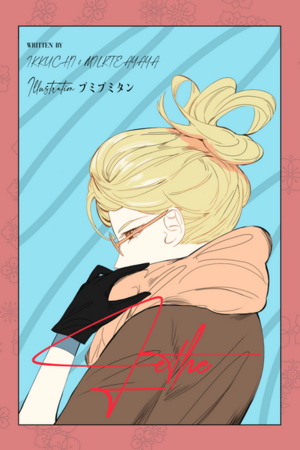
Lethe
The sky had been screaming for hours, shells ripping the air apart. The staccato chatter of gunfire was chewing through smoke and mud. Then, all at once, it stopped.
The silence that followed wasn't peace. It was the kind of silence that rang, that pressed against the ears like a held breath after hours of nothing but noise. Soldiers who had been flattened against the ground, who had stopped counting the minutes between each explosion, lifted their heads slowly, blinking through the smog and rain, half certain they'd gone deaf — or worse.
"HOLD YOUR FIRE!" The commander's order echoed across the frozen field. After hours of shouting lost in the deadly noise, this command rang out clear — as clear and final as a verdict.
Not one soul moved, not even a single shiver. Across the smoking ground, men who only moments ago had been certain they'd die at any second glanced at each other, all asking the same unspoken question: is it over?
With each second feeling as if an hour had passed, the next command finally arrived…
"THE WAR IS OVER!" the commander screamed at the top of his lungs.
Cheers bounced from each building as the soldiers began dancing and throwing their gear aside. "We did it!" they all chanted. "We did it!"
"SEEK AND TAKE AWAY THE ENEMIES' WEAPONS! NOW!" the commander screamed once again.
The troops, bumping into one another, quickly got back to their senses and returned to duty.
"Let's get them, poteau!" The troops called to each other as they gathered their equipment and ran for the enemy frontline. Piles of bodies still lay where they'd fallen, the death that had hung over the field only hours before now forgotten as the soldiers ran past them with no more care than children late for school.
The Barbaric Empire's troops dropped their weapons without resistance; no more blood needed to be spilled, regardless of which side it came from.
The Republican troops spat at the kneeling Imperial troops as they passed.
"Gather those barbarians here. Make sure their pockets are empty," the commander ordered.
One by one, the enemy was rounded up into one group. Bodies were gathered and loaded into trucks to be buried. Medics worked overtime to help as many wounded men as possible. The rubble of the city was the only thing in sight as the fog of war began to lift.
"What will we do with them, Commander?" asked one of the troops.
"That's for the men up top to decide. We must only capture them and prevent them from escaping," the commander replied.
"Understood, sir!"
Trucks revved endlessly, men chattered and laughed, and life slowly began to find its rhythm again. One step at a time, normality was returning to the Continental Old World.
"Round them up into the trucks, poteau — we're going home!"
After the longest time, cheers and laughter erupted — they were finally able to return home, to their wives, to their parents, to their loved ones.
. . . . . . . . . . . . . . . . . . . . . . . . . . . . . . . . . . . . . . . . . . . . . . . . . . . . . . . . . . . . . . . . . . . . . . . . . . . . . . . . . . . . .
Several days had passed since the war finally ended. Many prisoners were taken into cities to rebuild what they had destroyed, aiding the reconstruction effort.
One group of Imperial prisoners worked to rebuild a town near the border, where many buildings lay in ruins and people went without much food after the war had destroyed the crops. Thanks to the help of one Imperial prisoner, Florentin Kleinheisterkamp, they managed to restore many of the buildings quickly. He had a keen eye for detail and worked particularly fast, but despite his effort, his nationality and former service to the enemy only earned him resentment and hate.
Though Florentin remained strong, he didn't resent the Republicans for their feelings toward him. He knew he was at fault, even if he'd had no choice — war is not forgiving, and he understood that well.
All of the prisoners in this town were forced to learn the Republican language and shed their pride, living among cows in a barn that was barely standing. Day by day, brick by brick, plank by plank, the town was being reconstructed. The Imperial prisoners fed on leftovers that would otherwise have been thrown away, and washed using only a small bucket of rainwater. It was a routine that wore them down, both mentally and physically.
. . . . . . . . . . . . . . . . . . . . . . . . . . . . . . . . . . . . . . . . . . . . . . . . . . . . . . . . . . . . . . . . . . . . . . . . . . . . . . . . . . . . .
Months had passed since the war's end. Most of the Imperial prisoners were returned to their homeland — either the Republic of the Western Partition or the Federation of the Eastern Partition — though a few remained of their own will. Florentin, one of the few who remained, vowed to rebuild the country he had helped destroy.
As a volunteer construction worker, he was sent to Paname to help with the reconstruction of the Republican Capital's destroyed districts. Facing discrimination and hatred at every turn, he pushed through it, driven by his personal goal of making amends for his wrongdoings.
This is how Florentin's construction journey began — one that would continue for years to come.










Please sign in to leave a comment.