Chapter 49:
Epi.10-Note: The Meiji Era — A Turning Point in Japan
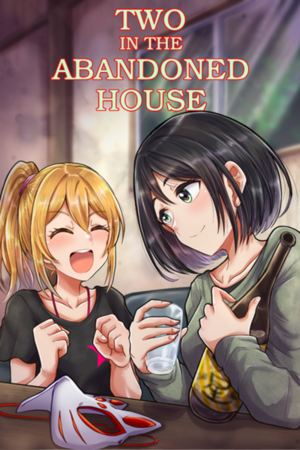
Two in the Abandoned House
The Meiji era began in 1868 and marked a major turning point in Japanese history.
There were many political changes, but since this is not a history class, I would like to focus on the everyday lives of ordinary people.
First, when people think of Japan, many may imagine “samurai.”
The formal prohibition on the general public carrying swords was enacted in the ninth year of Meiji (the Sword Abolishment Edict), and this greatly changed the culture of the samurai.
Incidentally, since the story of Rurouni Kenshin begins in the ninth year of Meiji, Himura Kenshin’s reverse-blade sword would be illegal from a legal standpoint.
As for entertainment, rakugo storytelling and yose theaters—traditions carried over from the Edo period—continued to enjoy strong popularity.
Even today, despite competition from many other forms of entertainment, the culture of yose remains deeply rooted.
Western-style clothing and food also spread rapidly during this time.
Japanese-style curry began to be eaten around the Meiji period as well.
The lifting of the ban on beef also came during Meiji, and although meat eating had been formally prohibited in earlier Japan, it seems that people found various pretexts—such as calling it a “medicine”—to eat it secretly.
In the mid-Meiji period, kabuki and other stage performances gained even more popularity.
The launch of literary and entertainment magazines progressed, and classical literature began to be re-edited.
These included “ghost stories,” and this was a time when the range of stories ordinary people could enjoy widened significantly.
In the late Meiji period, movie theaters appeared, though films were still silent.
Because of this, benshi performers stood beside the screen, voicing characters and narrating the story to enliven the screening.
It is said that a benshi’s skill could even influence the popularity of a film, and they are regarded as one of the roots of modern voice-acting culture.
During this era, boys’ magazines and girls’ magazines were also launched.
Since the educational philosophy of the time emphasized that “men should be manly and women should be womanly,” it may be that the magazines were separated by gender from the start.
As an aside, Japanese manga magazines later became even more subdivided, and magazines originally founded as mahjong-manga specialty magazines are still being published today.
By contrast, baseball-manga specialty magazines that once existed have unfortunately been discontinued.
In this way, the Meiji era was a time when the lives and amusements of ordinary people expanded rapidly, forming the foundations of modern Japanese culture.






Please sign in to leave a comment.