Honeyfeed
qdopp
View in app, or get it on Google Play
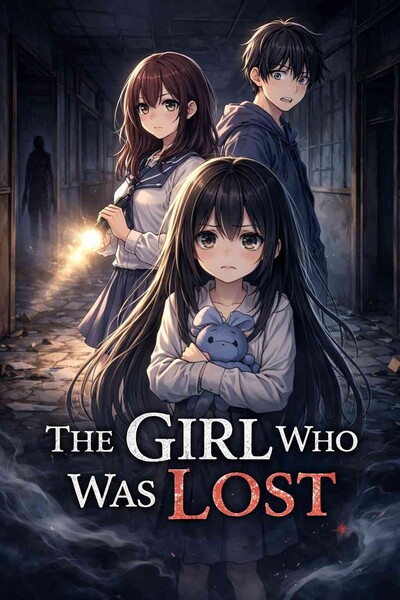
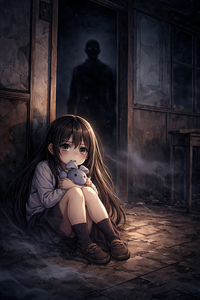
In the quiet town of Kurotsuki, Aika Hoshino and Ren Mizuno enter an abandoned school on a dare and encounter Sora, a young girl trapped in the memory of her final moments. Years ago, she died not by violence, but by fear overwhelming her body.
In the corridor stands a distortion — a presence that does not attack, but watches. It appears at the threshold where terror turns into surrender.
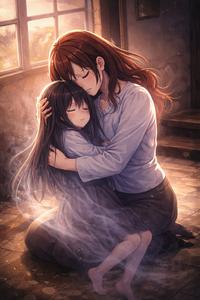
When Sora is finally released, the watcher remains. Ren realizes it is not bound to the school, but to human breaking points.
The Girl Who Was Lost is a psychological horror story about isolation, endurance, and the unseen force that waits in the space between fear and collapse.
The Girl Who Was Lost began as a ghost story, but it became a story about thresholds — the fragile moment when fear turns into surrender. Sora’s tragedy is rooted not in violence, but in isolation. The distortion in the corridor is not a traditional monster; it represents the silent witness to human breaking points. It does not chase or attack. It waits — appearing when fear overwhelms and collapse feels inevitable. At its heart, this story asks what changes when someone is not alone in their fear. If even one presence can interrupt that moment, perhaps the shadow retreats. This story is about endurance — and the choice not to break.
The Girl Who Was Lost began as a ghost story, but it became a story about thresholds — the fragile moment when fear turns into surrender. Sora’s tragedy is rooted not in violence, but in isolation. The distortion in the corridor is not a traditional monster; it repre...