Chapter 26:
The Space That Stayed Empty
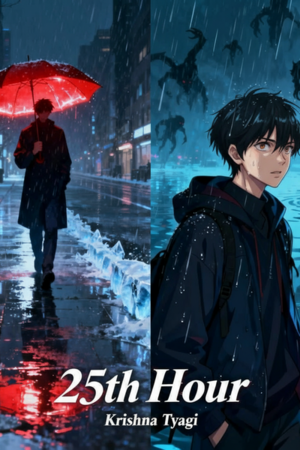
25th Hour
The platform clock clicked forward without sound anyone noticed. The second hand moved. The minute changed. Nothing announced it. The crowd shifted the way crowds always did — small adjustments, feet re-positioning, bags lifted and lowered, shoulders brushing and separating again. A man stood near the yellow line, phone in his hand, thumb hovering where a reply should have been.
He refreshed the screen once. Then again.
The message stayed unread long enough that it stopped feeling late and started feeling wrong — not urgent, not worrying, just… absent. Like knocking on a door you knew no one was behind and still waiting for the sound of footsteps out of habit. He checked the contact name, as if it might have changed without him noticing. Still there. Still unread. Behind him, a train sighed into the station, brakes screaming briefly before settling into a tired hum. Doors slid open. People stepped off. People stepped on. Someone bumped his shoulder and muttered an apology without looking at his face.
The space beside him, the one he’d been leaving open, remained open. No one asked who it was for. No one commented on the gap. Across the platform, a woman checked her watch and frowned. She shifted her weight, then checked again, as if time itself had misbehaved. Her phone buzzed not a message, just a notification she didn’t care about. She unlocked the screen anyway, thumb hovering over the keyboard.
She typed something. Deleted it. Typed again.
When the train announcement crackled overhead, distorted and half-eaten by static, she lifted her head like she’d heard her name. When nothing followed, she lowered it again, lips pressing together briefly. She didn’t send the message. She slid the phone back into her coat pocket and adjusted her bag as if she were settling something heavier than fabric.
The doors closed. The train pulled away. The empty space went with it.
A station worker further down the platform reached for the microphone out of reflex, fingers brushing the switch — then stopped. He frowned slightly, trying to remember what he’d been about to say. After a moment, he let his hand fall and leaned back against the wall, telling himself it was nothing. At the street crossing outside the station, the light stayed red longer than usual. Cars waited. Engines idled. Pedestrians gathered in a loose line, bodies angled forward, already anticipating movement.
Someone laughed too loud, filling the silence. Someone else checked behind them, confused, as if they’d lost track of how many people were supposed to be there. A man stepped forward before the light changed, then stopped halfway, embarrassed, retreating with a shrug and a muttered joke no one responded to.
When the light finally turned green, everyone moved at once. Shoes struck pavement. Bags swung. No one looked back. Somewhere between one step and the next, something finished happening. The city adjusted its weight and kept going.
The café’s backroom smelled like coffee grounds and cleaning spray — sharp, unfinished scents that never quite blended. Kazu tied the trash bag slowly, twisting the plastic tighter than necessary, listening to voices on the other side of the door.
They were quieter than usual.
“…later,” someone murmured.
“Yeah. Not here.”
Kazu paused with his hand still gripping the knot. It wasn’t his name they’d said. That somehow made it worse. He waited for a second, not long enough to look deliberate, then opened the door. The conversation cut off instantly. Too instantly. Three coworkers stood near the counter, not clustered, not casual. One of them smiled, polite, practiced, the kind of smile you used when you didn’t want questions.
“Hey,” Kazu said. “I’ll take this out.”
“Oh. Yeah. Sure.”
No one offered to help. No one complained about whose turn it was. Someone took a step back to give him room that hadn’t been crowded in the first place. It should have felt like relief. Instead, it felt like being waved through a checkpoint without being told why. Outside, the air was cooler than he expected. Evening had settled fully now, the sky a deepening blue smeared with city glow. Kazu dropped the trash into the bin and leaned against the wall for a moment, rubbing his palms against his apron as if he could scrub the feeling off.
You’re tired, he told himself. That was reasonable. He’d been pulling double shifts. People acted weird when you were tired. You noticed things you shouldn’t. He replayed the day anyway. A regular customer who’d watched him longer than usual. Not staring, studying. A coworker who’d hesitated before saying his name, eyes flicking briefly away like they were checking something internally before speaking. Someone lowering their voice when he walked past, then laughing a second too late.
You’re imagining it.
Kazu untied his apron and folded it carefully, the way he always did. Routine helped. Routine meant control. He started walking home. Didn't thought to get to his second part-time job. The streets were busy enough to feel normal. A group laughed near a convenience store. Music leaked from a passing car. Somewhere, glass clinked. But everything felt slightly misaligned, like a picture frame hung just a degree too crooked.
A car slowed as it passed him, then sped up.
Two people ahead crossed the street early, glancing back once like they’d forgotten something important. Kazu caught his reflection in a dark shop window and almost didn’t recognize the way his shoulders were set. Not tense. Measured. That scared him more than tension would have. He stopped walking, pretending to check his phone. Nothing new. No messages he hadn’t already read twice. He considered texting someone, anyone— then closed the app without typing.
Don’t be dramatic. But the thought didn’t settle.
“It wasn’t suspicion,” he realized quietly. “It was assessment.” The word sat wrong in his chest. Assessment was something you did to objects. To risks. To things you planned to deal with later. Kazu shoved his hands into his pockets and kept walking. He counted his steps without meaning to. Stopped when he noticed he was doing it. Started again anyway. Above him, a train thundered past on elevated tracks, metal screaming against metal. The sound lingered long after it vanished, vibrating faintly through the pavement.
The train was almost empty in the way only late-night trains were.
Not deserted— just sparse enough that everyone was aware of everyone else without acknowledging it. Seats held coats instead of people. Poles gleamed untouched. The recorded voice announced the next station, then cut out halfway through the name, restarting a second later like it had lost confidence.
Three men occupied two rows, spaced just enough not to look like they were together.
One leaned back with his eyes closed, head tilted slightly toward the window. Another stared at the route map above the door, following the blinking dot as if he were personally responsible for its progress. The third scrolled through his phone, screen dimmed, thumb moving lazily.
“Slow tonight,” the one with his eyes closed muttered.
“Always is during night,” the map-watcher replied. “You’d think fewer people would make it faster.”
“Doesn’t work like that.”
The train swayed gently through a curve. Somewhere down the carriage, someone coughed. The sound echoed more than it should have. “It’s done,” the man with the phone said, casual, like he was commenting on the weather. Neither of the others looked at him. “Clean?” the map-watcher asked after a moment.
“Clean enough.”
“That’s not an answer.”
“It is when you don’t need more.”
The one with his eyes closed opened them slowly, gaze drifting toward the window. Reflections slid across the glass, poles, seats, faces — stacking and unstacking as the train moved. “Fast makes noise,” the map-watcher said. “So does hesitation.”
The words landed without emphasis. They didn’t argue. They didn’t need to. A few seats down, a passenger sat too still. Not rigid. Not stiff. Just… composed. Hands folded neatly in his lap. Eyes forward. Breathing shallow enough to be polite. He hadn’t checked his phone since the train left the station. The hunters didn’t look directly at him.
They adjusted instead.
The man with his eyes closed crossed one leg over the other. The map-watcher stood, stretching like his back hurt, and moved closer to the door. The third shifted his bag off the seat beside him, opening a space that wasn’t an invitation.
“People are quicker lately,” the map-watcher said quietly. “They notice gaps.”
“They guess,” the phone-man corrected.
“If they start guessing, we’ll lose control.”
The train slowed. Doors slid open. A handful of passengers got off. Two got on. The man sitting too still remained seated, but his eyes flicked once, just once toward the window, catching the reflection of someone who hadn’t been there before. Not fear. Calculation. The doors closed. The train pulled forward. The conversation didn’t resume.
They stood where the station lights didn’t quite reach, concrete cool beneath their shoes, air vibrating faintly with passing trains below.
“Confirmed,” the woman said, sliding her phone back into her pocket. “Irreversible.” The man beside her nodded, gaze fixed on the tracks. “Acceleration was expected.”
“Expected isn’t the same as acceptable.”
“No.” Silence stretched between them, filled only by the distant echo of metal on metal.
“Intervention?” she asked, softer this time. He didn’t answer immediately. His jaw tightened, just enough to notice. “Not yet.”
“And if it collapses?”
He exhaled slowly. “Then it collapses.” She looked away, fingers tightening briefly around the strap of her bag. “We could slow it.”
“We could break it,” he replied. Another train passed beneath them, lights streaking through the dark like something alive. For a moment, her reflection appeared in the glass barrier — then vanished as the train moved on.
“We don’t correct systems,” he said at last. “We document them.” She nodded, once.
Below them, the city kept moving.
Reina stood in front of the convenience store fridge longer than necessary, pretending to decide between two identical bottles of water. Cold air pressed against her face. Her reflection hovered faintly in the glass, layered over rows of neatly aligned drinks. When she shifted her weight, the reflection lagged. Just a fraction. She blinked. It was normal again. She didn’t react. She’d learned better than that. Reacting made patterns louder.
At the register, the clerk rang her up without comment. No greeting. No goodbye. His eyes flicked past her once, then returned to the screen. Reina thanked him anyway. The words felt like a test. He nodded, already done with her.
Outside, the night felt thinner than it should have been. Not empty. Reduced. Like someone had turned down the saturation on the world.
She walked slowly, letting groups pass her, watching reflections in windows without looking like she was watching. Someone who should have been leaning against the railing near the stairs wasn’t there tonight. She knew because she’d seen him there three nights in a row. Always pretending to scroll. Always glancing up at the same intervals. Reina opened her phone and typed a note.
— man by stairs gone.
She stared at the words longer than necessary. Considered deleting them. Considered taking a photo of the empty space instead. Considered messaging someone she trusted.
She did none of those things. She locked the screen and slipped the phone away.
At the train entrance, she paused, checking the time. Late, but not late enough to explain the pressure building behind her eyes. A thought brushed past her mind, go home, then dissolved. Something had ended tonight.
She didn’t know what.
But endings left shapes. Gaps. Absences that didn’t close properly.
Reina stepped onto the platform as the train arrived, wind tugging at her hair like an impatient hand. Whatever was moving beneath the city, it wasn’t waiting anymore.














Please sign in to leave a comment.